
rainbowlu61@163.com
86-186 6972 5261
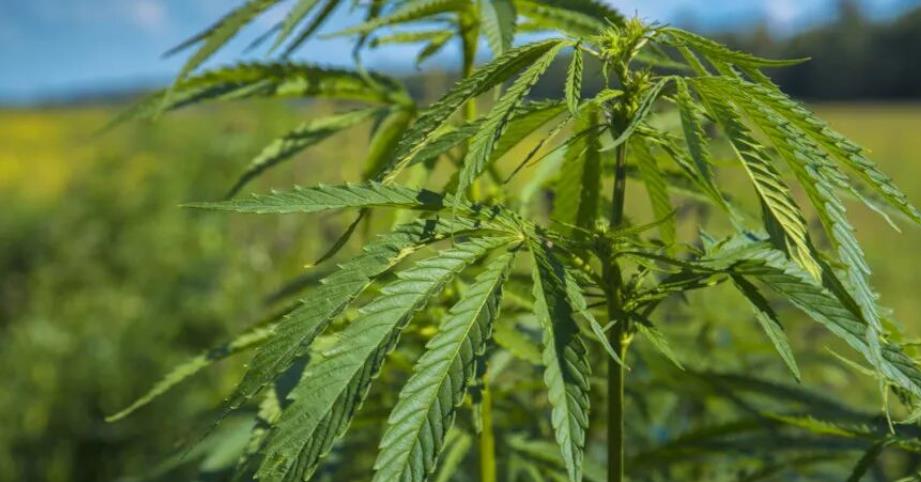
Hemp rope, made from the fiber of the industrial hemp plant, is a very strong fiber; it is compostable and biodegradable; its good UV protection makes it an excellent choice for outdoor use.
How is it made?
Hemp thread is made from the outer skin of the hemp plant. Through a retting process, the longest sections are removed from the
woody core and prepared for the next step. The best method of retting is to leave the hemp in the field, allowing natural moisture
and bacteria to process the hemp stalks.
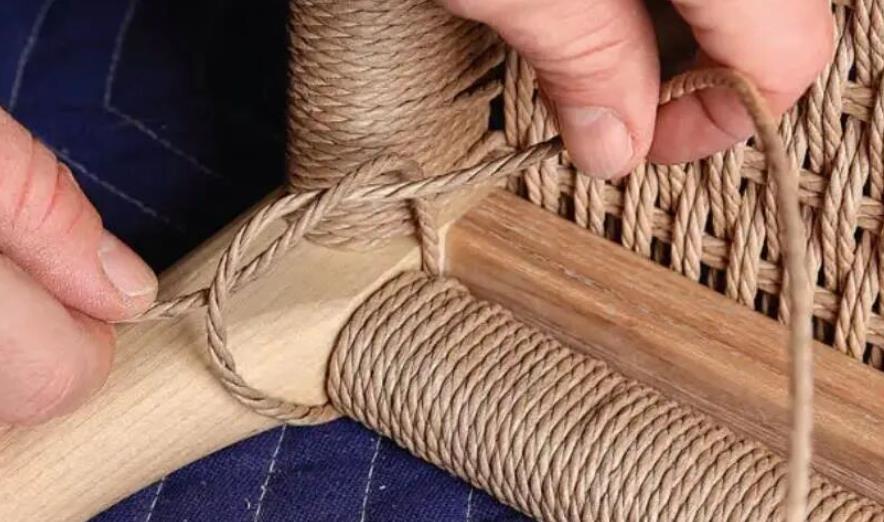
The fibers are then spun and twisted together using special machinery to create a long thread. Hemp thread is a strong strand
composed of two or more twisted strands, which are then twisted together in the opposite direction of the twisting. This increases
the rope's torsional strength and prevents it from unraveling.
Hemp thread is the foundation for making ropes and textiles.
Why use hemp thread?
Using hemp thread, made from hemp fiber, offers numerous benefits. Industrial hemp production is sustainable and viable,
making hemp a perfect product for the future.
Naturally Grown
Hemp fiber is environmentally friendly and contains no harmful substances. It is grown without pesticides, fungicides, or artificial
fertilizers. The plant requires almost no irrigation, so it can grow almost anywhere. Furthermore, unlike many other fibers, it is not
treated with petroleum or other toxic chemicals, which can leave a strange odor.
Durable and Robust
Due to the natural properties of hemp fiber, it can withstand prolonged and extensive use without showing any signs of weakness
or damage. It is also a very strong fiber, naturally designed for long-lasting durability.
UV Protection
Hemp fibers possess naturally abundant qualities that give them UV protection. They are not weakened by UV rays,making them
ideal for outdoor and even marine applications.
Anti-mold
Hemp has natural anti-mold properties because the plant contains natural compounds (mainly resins).
Jute VS Hemp
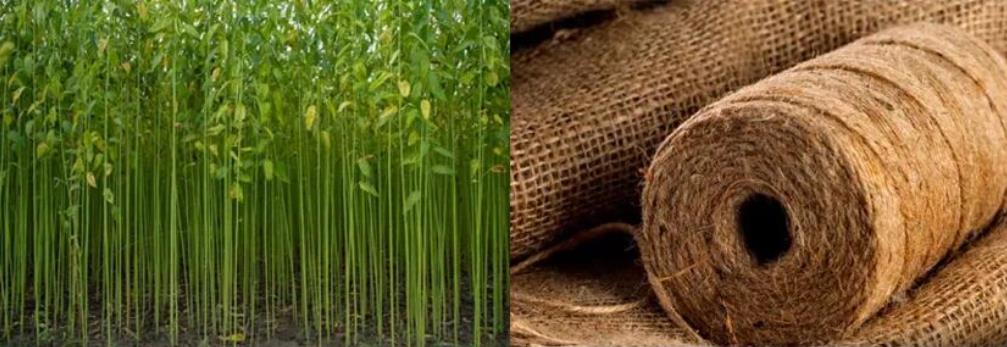
Jute is a fiber derived from a plant in the Burseraceae family. It is primarily used to produce fabrics such as burlap and sackcloth.
Jute and hemp have almost identical tensile strength and similar low elasticity, and both can be used to make yarn. However,
unlike jute, hemp does not require any synthetic layering or pesticides.
Therefore, compared to jute, hemp is a stronger natural fiber.
Sisal VS Hemp
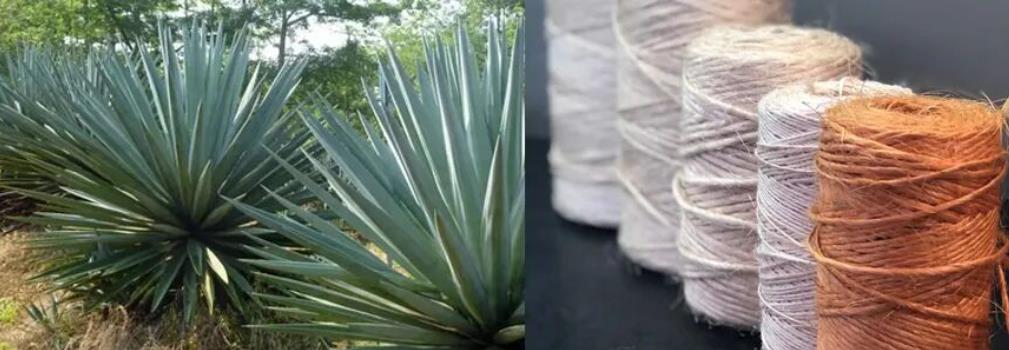
Sisal is made from the leaves of the agave plant. After harvesting, the fibers can reach lengths of up to 90cm. Sisal fibers are tensile
and very durable.
Sisal yarn is typically made with single, double, or triple layers. Double-stranded sisal ropes offer excellent sun resistance, good
tensile strength, and good knotting ability, resisting deterioration even in saltwater, making them ideal for marine applications.
Hemp is one of the strongest natural fibers, very durable and mildew-resistant. However, hemp ropes are significantly stronger
than sisal ropes.
Manila Hemp VS Hemp
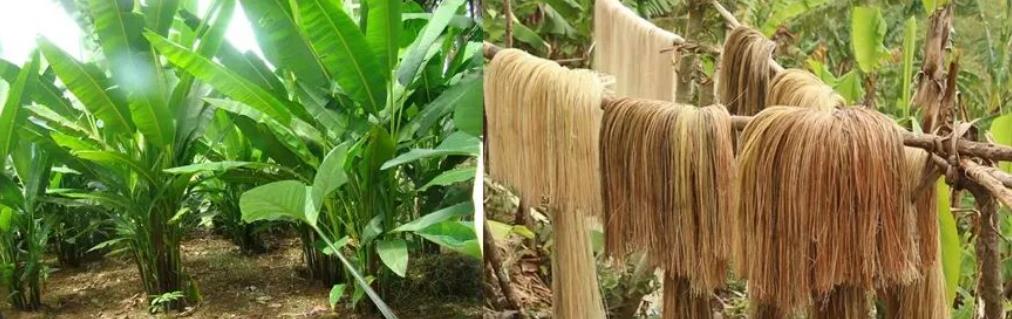
Manila hemp fiber is made from the leaves of the Manila hemp plant, a member of the banana family, hence its other name, abaca.
Because its strands resemble hemp, it is naturally durable, corrosion-resistant,and flexible. During the winding process,it produces
natural mineral oils, allowing the strands to bond better and enhancing the rope's weather resistance.
Unlike hemp, Manila hemp is not very resistant to mold, rot, alkalis, acids, oils, or gases. Furthermore,it shrinks when wet,making it
very difficult to untangle.
In the future, as the global trend towards sustainability continues to advance, natural fibers will play a vital role in various fields.
The widely recognized characteristics of industrial hemp fiber—pollution-free, biodegradable, safe for human use, and highly
practical—will make it ubiquitous in our daily lives!
Contact: Rainbow
Phone: 86-186 6972 5261
E-mail: rainbowlu61@163.com
Whatsapp:86-137 0108 3261
Add: No.26,Liuhaohe Rd 1st, Jimo,Qingdao,Shandong,China
We chat
